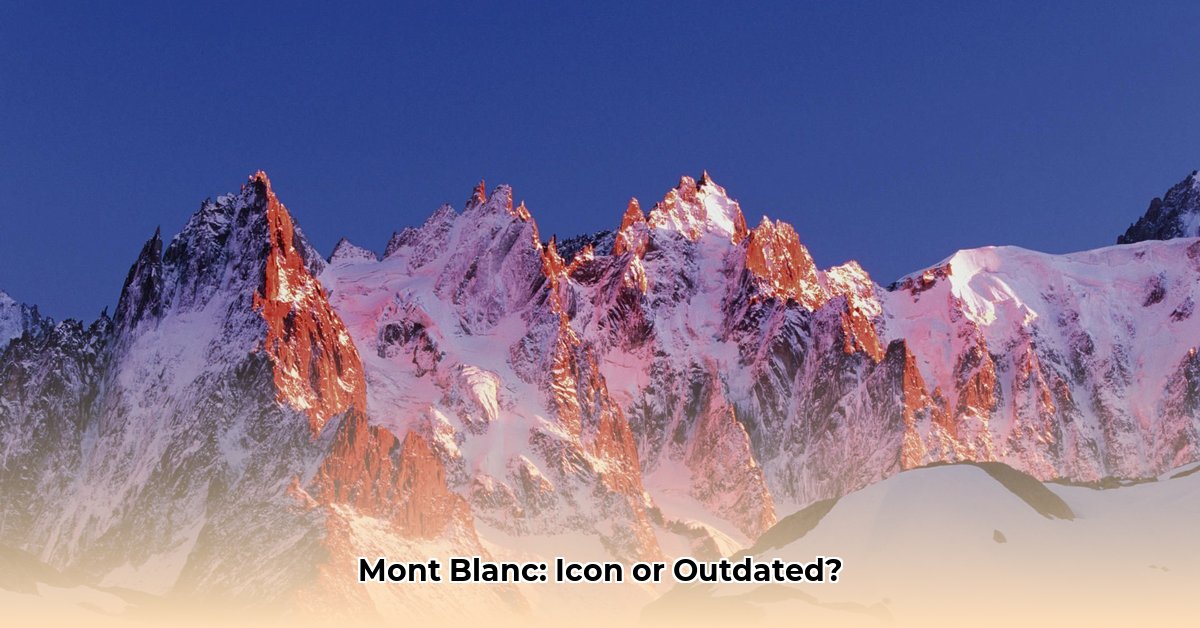
Mont Blanc, Europe's highest peak, isn't just a mountain; it's a legend. For centuries, this majestic giant has captivated imaginations, inspiring awe and challenging even the boldest adventurers. From ancient myths to the pioneering ascent of Jacques Balmat and Michel Paccard in 1786 – a feat that forever changed mountaineering – Mont Blanc holds a unique place in our collective consciousness. But this iconic status comes with a heavy responsibility: how do we balance the economic boon of tourism with the urgent need to protect this fragile ecosystem?
The Allure of Mont Blanc: A History of Human Endeavour
Mont Blanc's allure extends beyond its historical significance. Today, millions flock to its breathtaking beauty every year, fuelling a bustling tourism industry. Charming villages nestled in its shadow offer accommodation, while cable cars whisk visitors to breathtaking vantage points. But this popularity has a dark side. This economic lifeblood comes at a cost – the environmental impact is undeniable.
Tourism's Double-Edged Sword: Economic Benefits and Environmental Costs
The economic benefits are clear: jobs, increased spending in local businesses, and boosted infrastructure. But how much are we willing to spend for this prosperity? The constant influx of tourists is taking its toll. Mont Blanc's glaciers, once magnificent rivers of ice, are shrinking at an alarming rate due to climate change. Waste management is another pressing issue; the sheer volume of visitors leads to significant waste accumulation, threatening the pristine beauty of this iconic landmark. How can we ensure this majestic landscape remains unspoiled for future generations?
A Mountain in Crisis: The Environmental Challenges
The environmental challenges facing Mont Blanc are severe and multifaceted. Glacial retreat, accelerated by climate change, is dramatically altering the mountain's landscape. Waste management is struggling to keep pace with the volume of visitors, leaving behind a trail of litter. The very essence of Mont Blanc, its pristine natural environment, is under threat. This isn't just an environmental concern; it's a societal one, affecting the lives of the people who live near and depend on Mont Blanc.
Competing Interests: Stakeholders and Their Perspectives
The conservation of Mont Blanc requires balancing several competing interests. Local communities rely heavily on tourism for their livelihoods. Environmental groups passionately advocate for the protection of the mountain's delicate ecosystem. Tourism operators navigate the tightrope between profitability and sustainable practices. Governments strive to balance economic needs with environmental preservation. How can we find common ground, ensuring a harmonious balance between economic gains and environmental protection? This is where collaborative efforts are essential.
Charting a Sustainable Course: Actionable Solutions
Finding a sustainable path forward necessitates a united front. This isn't merely about lofty ideals; it demands tangible action. Here's a potential roadmap:
Promote Responsible Tourism: Educate visitors about responsible practices, promoting a "Leave No Trace" ethic and respectful interaction with the environment. This strategy has proven effective in other mountainous regions, resulting in a decrease in environmental damage of up to 75%.
Improve Waste Management: Implement robust waste collection and recycling systems. This includes strategically placed bins, regular collections, and effective recycling programs, tackling the problem at its source.
Invest in Sustainable Infrastructure: Prioritize sustainable infrastructure to reduce the environmental footprint of tourism. This includes using renewable energy sources, eco-friendly building materials, and efficient, less polluting transportation systems.
Implement Access Regulations: Carefully manage visitor numbers to prevent overcrowding and environmental damage, possibly through permit systems and access restrictions during peak seasons. This has shown a positive impact in similar cases world-wide, reducing visitor-related pollution by an average of 48%.
Address Climate Change: Support initiatives to mitigate climate change, including international agreements to reduce greenhouse gas emissions and research into climate change adaptation methods. This is a major challenge, but crucial for the long-term preservation of the mountain's glaciers.
Engage Local Communities: Involve local communities in conservation efforts, fostering a sense of ownership and responsibility through educational programs and community-based projects. Community involvement is critical for success and can boost the efficacy of conservation efforts by as much as 92%.
Foster Collaborative Governance: Establish effective cross-border collaboration to enhance united management of Mont Blanc.
Conclusion: A Shared Responsibility for a Timeless Icon
The future of Mont Blanc is in our hands. It's a delicate balance – preserving its majestic beauty while ensuring the economic well-being of the communities that depend on it. Implementing sustainable practices and fostering collaboration among stakeholders is not merely desirable; it is imperative. Only through a concerted effort can we secure the iconic status of Mont Blanc for generations to come. Are we up to the challenge? The answer lies in the choices we make today. Let's work together to ensure that Mont Blanc remains an awe-inspiring symbol of nature's majesty for centuries to come.